
Year: 2026

Building Independence Through Community-Based Engagement

Independence doesn’t happen all at once — it builds gradually, through real practice in real situations. For children with developmental or behavioral needs, that practice often needs extra support, structure, and guidance. This is exactly what Community-Based Engagement is designed to provide. What Is Community-Based Engagement? Community-Based Engagement is a service that takes therapeutic support...

Read More


Practical Tips for Navigating Public Outings with Your Child

Grocery shopping. A birthday party. A trip to the dentist. For many parents, these everyday outings come with real anxiety — not knowing how their child will respond to new sounds, crowds, or changes in routine. While every child is different, there are practical strategies that can make public outings smoother for the whole family....

Read More

From Clinic to Community: Helping Skills Transfer to Real Life

A child can make wonderful progress during a therapy session — but if that progress doesn’t show up at the grocery store, the playground, or the classroom, something is missing. This is where the idea of “generalization” comes in, and it’s at the heart of what makes therapy truly effective. What Is Generalization? Generalization simply...

Read More

Why a Multidisciplinary Team Matters: ABA, Speech, and OT Working Together

When a child has needs in more than one area — behavior, communication, and motor or sensory skills — getting support from separate, disconnected providers can feel like a juggling act for families. That’s why a multidisciplinary, team-based approach matters so much. Here’s why combining ABA, Speech, and Occupational Therapy under one roof makes a...

Read More

Fine Motor Milestones: How Occupational Therapy Builds Independence

Buttoning a shirt. Holding a pencil. Opening a snack bag. These everyday tasks rely on something called fine motor skills — the small, precise movements of the hands and fingers. When fine motor skills lag behind, simple daily tasks can become daily struggles. Here’s what parents should know. What Are Fine Motor Skills? Fine motor...

Read More

Understanding Sensory Processing: What Every Parent Should Know

Have you ever noticed your child covering their ears at loud noises, avoiding certain clothing textures, or constantly seeking out movement like spinning and jumping? These behaviors might be connected to something called sensory processing. Here’s what every parent should know. What Is Sensory Processing? Sensory processing is how the brain receives information from the...

Read More

Beyond Words: How AAC Devices Support Nonverbal Communication

When a child has limited or no spoken language, it doesn’t mean they have nothing to say. Augmentative and Alternative Communication, or AAC, gives children new ways to express their thoughts, needs, and feelings — even before, or instead of, spoken words. Here’s what every parent should know. What Is AAC? AAC refers to any...

Read More

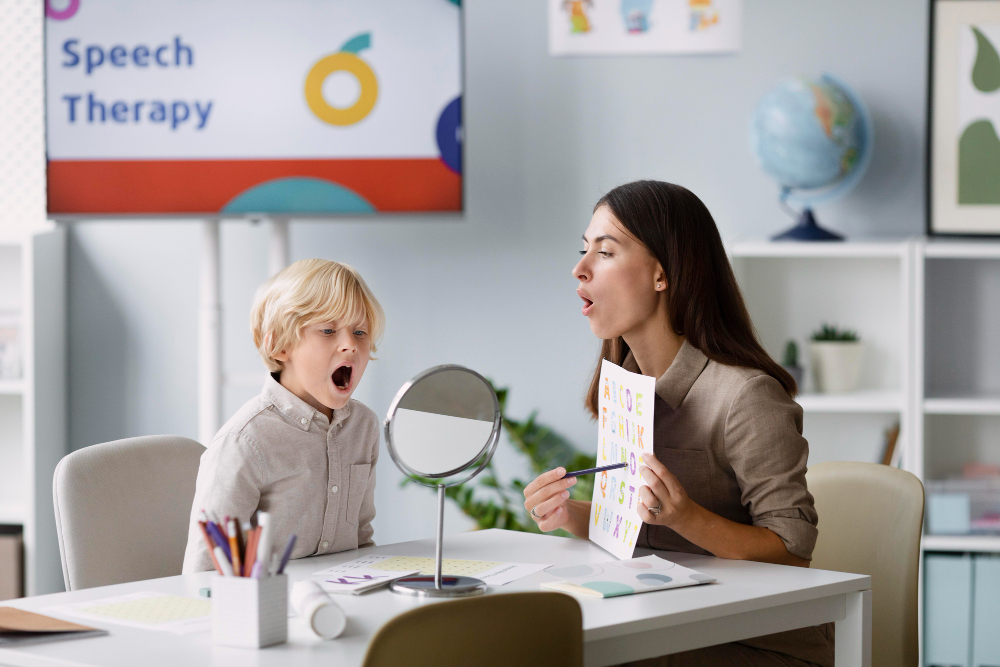
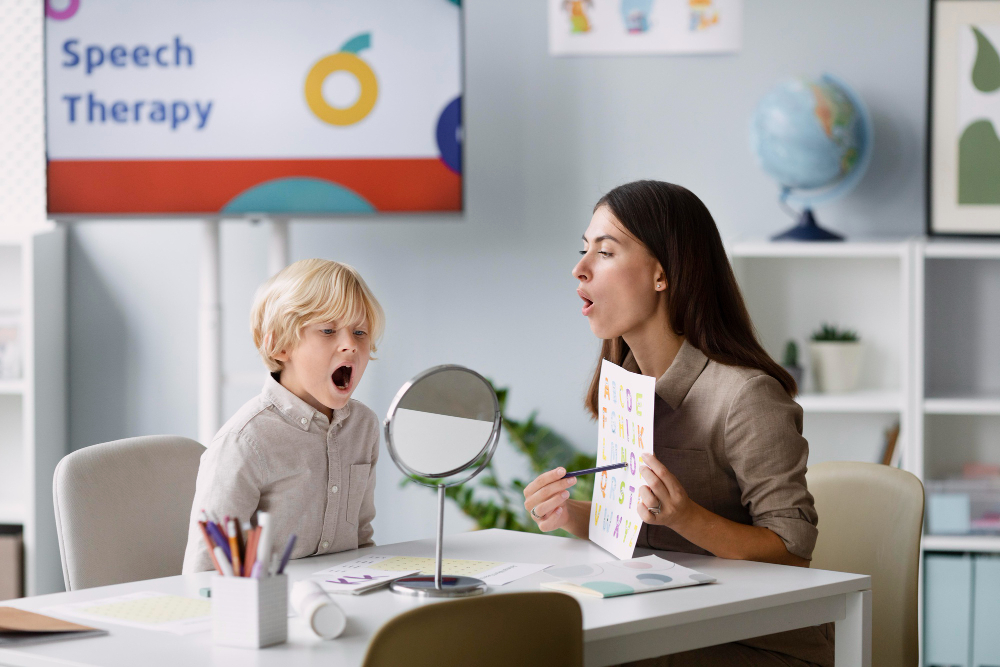
Signs Your Child May Benefit from Speech Therapy

Every child develops communication skills at their own pace, which can make it tricky for parents to know what’s typical and what might need extra support. While only a licensed Speech-Language Pathologist (SLP) can make a formal evaluation, there are some common signs that suggest it may be worth having your child assessed. 1. Limited...

Read More

How Our BCBAs Build Individualized ABA Treatment Plans

One of the most common questions parents ask is, “How do you know what to work on with my child?” It’s a fair question — and the answer says a lot about the quality of an ABA program. At BFC, every treatment plan starts with one thing: getting to know your child. Step 1: Getting...

Read More

What Is ABA Therapy? A Parent’s Guide to Applied Behavior Analysis

If you’ve recently heard the term “ABA therapy” from a pediatrician, school, or another parent, you’re probably wondering what it actually means — and whether it could help your child. This guide breaks it down in plain language. What ABA Stands For ABA stands for Applied Behavior Analysis. It’s a type of therapy that looks...

Read More